


Turbo Takeaways
- The average tax refund in 2026 was over $3,000, a nearly 11% increase from the previous filing year.
- Instead of using the money for retail purchases, experts recommend using your tax refund to pay off debt, save, or invest.
- Using your tax return for debt repayment can effectively reduce balances and impact interest payments.
Should You Use Your Tax Return To Pay Off Debt?
Tax returns include funds the government gives back to consumers who’ve overpaid the IRS. While this small windfall is exciting to most, it’s actually money you could have had throughout the year.
Adjusting your tax withholdings with the help of a tax expert could help you funnel more income into bill payments. However, some consumers prefer receiving the cash in a lump sum at the end of the tax year.
Did You Know?
Deductions are different from withholdings and may help you get money back after paying taxes. Tax professionals can advise you whether to take a standard deduction or itemize your expenses.
This extra cash can become a big financial benefit when used wisely. If you’re carrying high-interest credit card debt or other unsecured debt such as personal loans, a tax return offers a good opportunity to pay down your balances.
Consumers and experts agree that repaying debt is an effective way to use a cash refund from the IRS. In fact, 20% of American consumers plan to use their refund for debt payments, with only using the funds for savings ranking slightly higher as a top priority.
The IRS sends funds as a direct deposit to your checking account when you receive a refund. This makes sending and getting the money much faster for both parties.
Benefits of Using Your Tax Return for Debt Repayment
Using even a modest return can have big impacts on reducing debt. The average refund was $3,571 in 2026, giving many consumers a substantial amount to put toward outstanding balances.
Using a tax return to pay off debt could offer the following benefits:
- Saving money on interest
- Reducing balances
- Paying off debts faster
- Improving credit score and utilization
- Freeing up more income for living expenses
You have a couple of options when you focus on using your tax return for debt repayment. If you're dealing with small to modest debt from various sources, consider using the debt snowball or avalanche method to pay off balances independently. Taxpayers can decide to focus on reducing debts with a high interest rate or paying off the largest balances using the extra money from a tax refund.
When you’re carrying large amounts of unsecured debt, working with a debt relief organization provides expert guidance on reducing and paying off big balances. These professionals can talk to lenders on your behalf to reduce what you owe through debt settlement. Similar to a personal finance advisor, they can also connect you to debt relief programs and providers.
Tips for Spending Your Tax Return
| Do | Don’t |
|---|---|
| Pay off debt, save money, or invest for future goals | Purchase something expensive or unnecessary |
| Prioritize high-interest debt like credit cards | Take out a refund-anticipation loan |
| Work with a professional organization to manage debt repayments | Ignore unsecured debt balances with growing interest |
| Take a small portion of your return to treat yourself or your family | Spend more than 10% of your return on a splurge |
Other Ways To Use Your Tax Refund
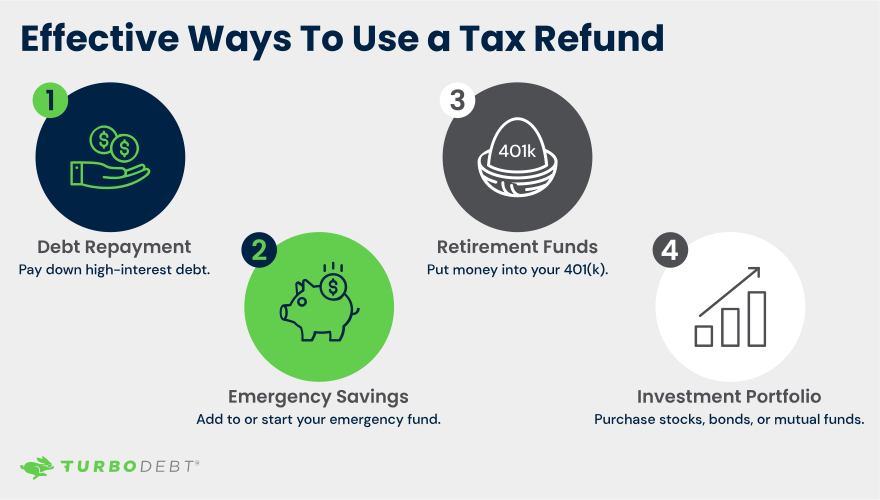
Most experts recommend using a tax return first for debt repayment, second for savings, and third for investing. If you’ve already paid off high-interest, unsecured debt, consider using your return to build your emergency savings or add to your retirement savings.
If you’re interested in funding a stock portfolio, a sum of $3,000 can get you started. Working with an investment professional ensures you receive expert advice about how to invest based on your long-term financial goals.
You could even use the lump sum tax return to pay down secured balances like a mortgage or car loan. Small payment boosts can still impact interest, especially with car payments.
For example, if you owe $25,000 on your vehicle but put an extra $3,000 toward the balance, you could potentially eliminate a few payments, reducing interest fees by hundreds of dollars.
Should You Use Your Tax Refund To Pay Off Debt?
Financial decisions like where to put extra cash can impact your bank account long-term. Receiving a federal tax refund can give you the boost you need to make a big payment toward your debt.
You can choose to adjust your withholding for the following tax year to improve your financial health throughout the year. Or you can plan on using your refund amount each year to fund a retirement account, pay off credit cards, or even make a dent in your student loan debt.
Most financial experts agree that the key is to use your refund wisely and avoid splurging on retail items with the extra cash. If you’re debt-free, consider using your refund for home improvements or adding to your emergency fund to cover unexpected expenses.
Pay Off Debt With TurboDebt®
If you’re struggling to pay off huge amounts of unsecured debt like a credit card balance, you don’t have to do it alone. Get expert help from the team at TurboDebt®.
We offer customized debt relief plans with affordable monthly payments to help you overcome outstanding balances and achieve your financial goals. With over 20,000 positive reviews across Trustpilot and Google, we’ve proven ourselves as a trustworthy partner for debt relief.
You don’t have to wait for a tax refund to get started. Contact the TurboDebt team to begin a free consultation today!