


Turbo Takeaways
- Experts suggest a financial spring cleaning to help consumers reassess their finances after the first quarter of the year.
- Analyzing income, spending, and debt allows consumers to reorganize their financial priorities and change ineffective habits.
- Spring cleaning your finances can free up cash, prioritize debt repayment, and actively reduce spending.
Why “Spring Clean” Your Finances?
Spring comes with fresh beginnings, bringing with it a desire to clean and renew. Whether it’s a cluttered closet or weedy garden, spring cleaning feels good. But don’t stop there. Another area that can use a refresh at this time of year is your finances.
While settling into habits for the new year and preparing for the months to come, spring is an ideal time to do some financial planning. Before the rush of graduations and summer vacations, take time to analyze your spending and find ways to free up cash for the year ahead.
Because spring also happens around the same time taxes are due to the IRS, you’ll likely have a lot of financial documentation handy and know your total income. You may even have extra money in the bank from a tax refund. This makes it the perfect time to give your financial life a deep cleaning by reviewing your expenses and planning for the future.
6 Ways To Give Your Finances a Spring Cleaning
Try these ideas to revamp your financial management:
1. Audit Accounts
A good way to start refreshing your finances is to revise your budget or create one to calculate your monthly income, track bills, and allocate funds. Try reviewing your receipts and credit card statements to find spending trends, so you know where to cut costs.
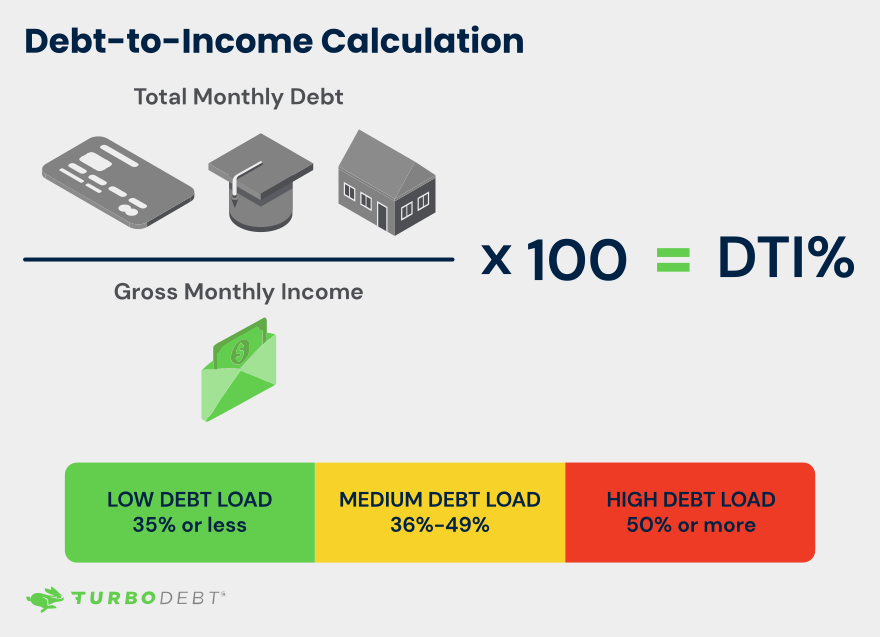
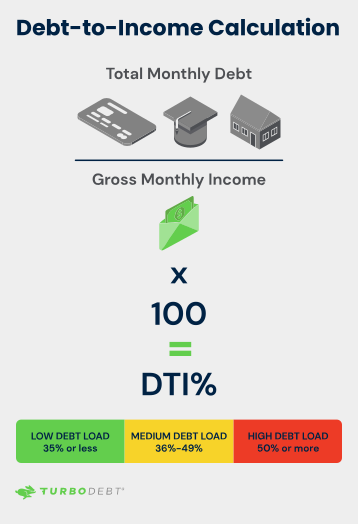
It’s also important to analyze your debt-to-income ratio (DTI) to determine how much you owe versus how much you take in. You can calculate this by adding up every debt and expense and dividing it by your monthly income.
Here’s a detailed calculation of DTI:
Many consumers start by trimming what they spend on entertainment, subscriptions, food delivery, or restaurant meals. Just like cleaning out one junk drawer, making small changes can inspire you to keep going, leading to bigger adjustments.
2. Dive Into Debt
One of the most vital ways to reshape your financial health is to pay off debt. Looming debt balances from unsecured sources like credit cards and loans make it harder to afford essential expenses and nearly impossible to save and invest.
Prioritize debt payments by funneling most of your extra cash toward outstanding balances. TurboDebt’s® 3Ts Budget Strategy explains why tackling essential expenses and debt with 60% of your income is an effective way to pay off debt faster.


Working with a debt relief company provides expert help through an affordable monthly payment plan. Once you review your budget, you’ll know exactly how much you can allocate toward these payments, even cutting back on other spending to clear debts quicker. Options like debt settlement that pay off large amounts of credit card debt can help you manage repayment.
3. Spruce Up Savings
After you review your income and expenses, look for ways to funnel more money into savings. Maintaining an emergency fund of at least $1,000 helps minimize debt after unexpected costs. After paying off debt, aim to keep three to six months' worth of your income in savings to offset a sudden job loss or other costly emergency.
Channel additional funds to retirement accounts, especially in prime working years. Yes, it’s great to save for a dream vacation, but it’s also worthwhile to establish a retirement plan such as a 401(k) or 403(b) if you work for a school, non-profit, or other tax-exempt organization.
4. Consider Your Credit
As you review your finances, analyze your credit score and history. Each of the three major credit bureaus offer free credit reports at least once a year. It’s important to check your credit history to find your latest score and contest any errors you may see on your report.
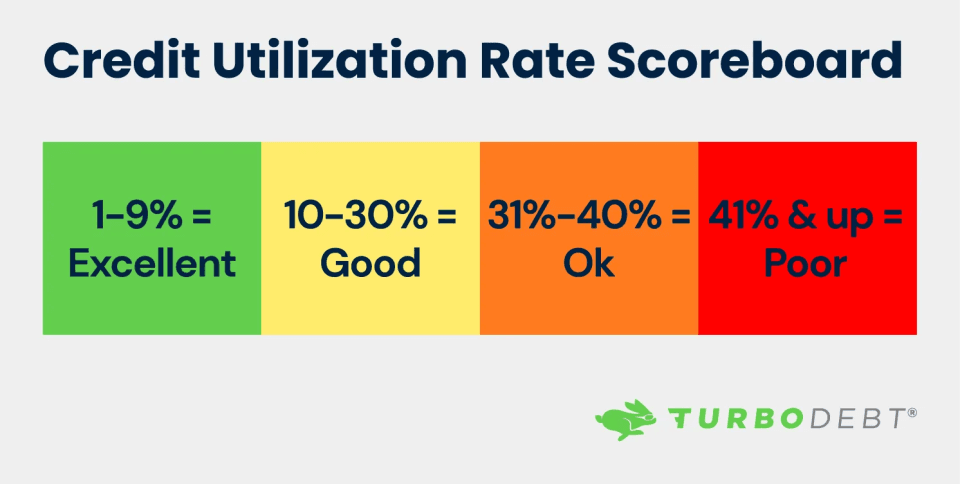
Another essential part of your credit profile is credit utilization. Represented as a percentage, this figure shows how much of your available credit you’re using. Credit utilization is one of the key factors used to calculate your credit score. It’s also used by lenders to determine your risk factor as a borrower.
Keep your utilization below 30% for better credit scores and loan terms. Not there yet? Decrease your spending to avoid encroaching on your credit limits.

5. Reorganize Records
Cleaning out your finances can also mean literally. Throw out paper bills and file important documents like tax returns and other key records. Cycle out bills after a few months, or go paperless and start storing info digitally. Set up a spreadsheet to track monthly bills and data for changes over time.
Go through filing cabinets and mail piles, shredding old bills and receipts as needed. Clearing out the physical clutter gives you space to reorder key financial documents.
6. Grow New Goals
After you’ve done the hard work of scrutinizing your personal finances, plan for the future. Set new savings targets, revisit new year goals, and change things that aren’t working. Make detailed projections for investment accounts based on how much you can add each month. You can even automate payments to reach planned amounts.
Be specific by creating a document with dollar amounts you want to reach. By your next “spring cleaning,” you can congratulate yourself on how many of your financial goals you achieved.
For joint finances, make a money date with your spouse or partner to do some financial spring cleaning. Talking about money is essential, so why not start the refresh when everything around you is giving the same vibes.
Can “Spring Cleaning” Your Finances Save You Money?
Taking a deeper look into your spending habits can help you decide where to cut or at least pull back, freeing up cash for other things. Just like receiving a tax refund in the spring, consider using any extra funds to pay off debt first, then for additional savings. You’ll often surprise yourself with how much you get back by making small adjustments to your purchases.
It’s also important to look at your essential costs and find ways to save. Make this the time of year you shop for providers like insurance and internet. Even saving $20 a month on one of your bills can help you afford another service with rising costs.
Allocating more funds for debt repayment can also save money by reducing fees from high interest rates on credit card debt. Even making small changes to your money habits will pay off in the months to come.
Trim Down Your Debt With the Experts at TurboDebt®
Spring is a great time for freeing up cash to repay debts. If you’re struggling with unsecured debts like credit cards and personal loans, partner with a trusted organization like TurboDebt® to pay off debt faster for less than what you owe.
Our debt relief plans are customized to make paying off debt affordable and easy. It only takes a few minutes to find out if you qualify for our program. Contact the TurboDebt team today to start your free consultation.
With over 20,000 positive reviews across Google and Trustpilot, we’ve proven ourselves as a leader in debt relief. Don’t wait to regain control of your financial future.