


Turbo Takeaways
- Building credit involves smart financial management and a mix of credit accounts.
- New credit users can establish a positive credit history through options like student cards, secured credit cards, or store cards.
- Paying bills on time and in full is the single most important way to build a good credit score.
Why Building Credit Is Important
You can build credit from scratch by establishing your personal credit history. This is the measure lenders use to determine how much money you can borrow and how much credit to extend. It also shows your money management skills and habits over a lifetime.
Three major credit reporting agencies, Experian, Equifax, and TransUnion, accept information from lenders, using it to create a three-digit credit score. Although these companies use similar data, each calculates your score using a different credit-scoring model, so you may not have the same number across all three reporting bureaus.
Because this data is used by lenders to determine your risk, it’s important to establish a strong credit history to ensure you can secure personal loans and use credit cards to your advantage.
How To Build Credit from Scratch
To fully start your own consumer credit history, you’ll need to open a credit card account and start making on-time payments, or choose an alternate way to share credit data with the three reporting bureaus. Establishing a positive payment history and credit mix contributes to a strong start and better credit score.
Young adults new to the workforce, those in high school, or recent college grads, can build their credit history in several ways. Many of these options leverage the credit score of parents or guardians to start small and open a line of credit linked to an established account.
The right approach depends on your situation. These seven strategies are among the most effective ways to start building credit as a consumer:
1. Start as an Authorized User
One option to establish credit is to become an “authorized user” on a parent’s credit card. The new user gets a card that can make purchases on the account.
This is a baby step toward building creditworthiness, but as long as the account is well-managed, it’s a good start. Before you begin charging items on the card, work out how you plan to repay parents or guardians after you make purchases.
2. Open a Secured or Student Credit Card
Although most credit users open unsecured cards, secured credit cards require you to put money down to use the account. You’ll typically owe a security deposit equal to your credit limit to act as collateral if you fail to repay your purchases.
Unlike a debit card, your transactions are shared with the major credit reporting agencies, which can help you establish and build credit. These cards often cater to new credit users but typically don’t require a co-signer to get started.
Some credit companies offer student credit cards with opening bonuses and cash back rewards. These cards cater to young adults with little or no credit history and don’t require a deposit like a secured credit card. Plan to make full, on-time monthly payments on the new card to establish good credit from the beginning.
3. Use Store Cards with Low Limits
Opening a store card for a favorite retailer can be a helpful start to your credit. Because store cards generally come with lower credit limits, you’re less likely to spend recklessly.
These cards give you the opportunity to charge modest amounts that can build credit when paid in full. You’re also likely to get added bonuses like cash back, discounts, or rewards to use in store.
4. Consider Credit Builder Loans
When you’re trying to build credit from scratch, establishing a positive payment history is the most important thing you can do. Credit builder loans help with this by giving you a small loan that you earn by paying in full.
Typically offered through a credit union or online bank, credit builder loans are installment loans ranging from $300 to $1,000. Once you’re approved, the lending institution puts the money into a savings account that you can only access after paying your debt. It’s important to note that some lenders charge interest on the loan, which you’ll roll into your payment.
Once you begin making on-time, monthly payments, you’ll start building your credit. Ensuring you don’t miss a payment is what makes this type of loan worth it, so be prepared to manage your money wisely if you choose this option.
5. Vary Your Credit Profile
Carrying different types of credit also improves and builds a positive history. Young credit users often carry student loans, along with a credit card. Mixing loans with revolving credit shows your ability to handle varied types of borrowing and payment structures.
Eventually, adding secured debt like a mortgage or auto loan introduces even more variety to your credit mix.
6. Choose a Card for Rewards
Another benefit of opening a new credit card is the possibility of rewards. Many cards offer some sort of cash back or points to use toward your choice of bonus.
Consider what you value most and the kind of rewards you want, including benefits like travel points, cash back on gas and groceries, or in-store perks. If you don't qualify for a card as a new credit user, save the card for later once you boost your score.
Carrying multiple credit cards can improve your score if you manage them well and open them over a span of years.
7. Maintain Good Financial Habits
The most important way to build a positive credit history is to manage your finances well. Making on-time payments is the biggest factor in determining your credit score, so getting a strong start is important.
Avoid pushing your credit to the limit and pay in full each month. Bypass high-interest options like Buy Now, Pay Later and payday loans to keep your history positive.
What Improves Your Credit Score the Most?
The best way to improve your credit score is to pay your bills on time and in full. If you miss a payment, jump right back in and pay what you owe as soon as you can. If you get into a period of financial distress, consider calling your lender to ask for extended pay periods or waived late fees for a limited time.
How much credit you use versus your available credit also affects your credit history. Known as credit utilization, this is the next biggest category used to calculate credit scores.
For example, if you open a travel rewards credit card with a $5,000 credit limit, your goal should be to charge $1,500 or less (a utilization rate of 30% or less).
Some things that don’t help you build credit and could lead to debt include:
- Payday loans
- Buy here, pay here auto loans
- Prepaid cards
- Debit cards
While debit cards aren't a bad financial choice, they don't involve reporting your payment data to credit agencies. This is why debit cards don't help your credit score or history.
Tracking Your Credit
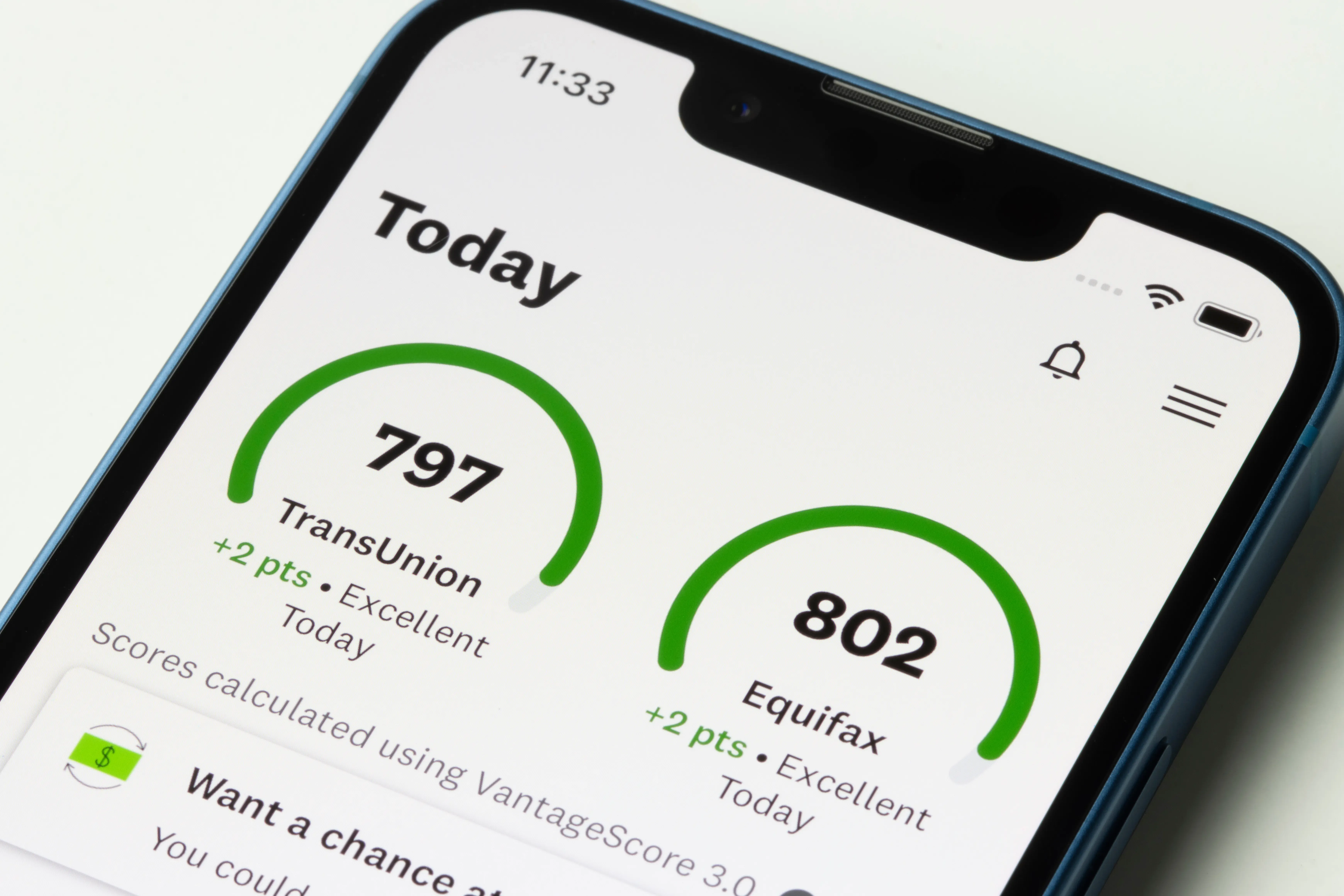
Here are some additional considerations once you establish a credit history:
How Do You Monitor Your Credit?
Monitoring your credit is an important part of establishing your history. Checking your score periodically is essential to ensure that credit bureaus report your finances accurately. This also helps you track your progress toward building a strong credit score.
One trusted way to access information from all three credit reporting bureaus is to use AnnualCreditReport.com, a secure website backed by the Consumer Financial Protection Bureau (CFPB). As the name suggests, this free resource allows you to request a free, comprehensive credit report once a year.
What Should You Look for in a Credit Report?
All three bureaus offer credit check services. Some are free while others require a monthly subscription. But what are you looking for when you check in on your score?
Credit reports show your score but also contain detailed information about your current accounts. Use your credit report to find data about your payment history, credit limits, and current balances.
It's also a good idea to track any inquiries into your credit. Look for companies that have accessed your credit report to check for fraud and other info.
Is It Worth Paying for a Credit Monitoring Service?
Paying a monthly fee to monitor your credit depends on the amount of security you want on your new account. These services basically check for fraud and alert you if anyone uses credit in your name. This may not be as much of a need until you've established a history and don't want any risk to your record.
Start Building Credit
Establishing good credit depends on paying the entire balance of your bills on time and keeping your utilization low. Mixing the types of credit accounts you carry can also build a positive history. This includes using secured and unsecured credit and varying accounts, such as a loan and a credit card.
Many new credit users make the mistake of thinking their credit limit is a personal loan, maxing out cards within a few months of opening them. This can quickly lead to credit card debt if you don't have the income to pay your monthly statements in full.
Successfully build credit with smart financial choices and guidance from those who've managed credit well. With plenty of consumer resources available, new credit users can find support and info to start strong.
Eliminate Debt to Build Stronger Credit
Building a positive credit history is difficult if you carry debt. When new credit users overspend, they often struggle to pay off big balances. However, managing unsecured debt is crucial for consumers trying to build credit.
Making a minimum payment may seem like a quick solution, but it will likely lead to more debt due to high-interest rates and fees. TurboDebt® offers a solution with our customized debt relief plans designed to help you get back on track with affordable monthly payments and expert guidance.
Start a free consultation today to find out if you qualify for our effective debt relief program. It only takes a few minutes to start your journey toward financial independence!